Why Train Marginalized Communities?
Environmental collapse and human exploitation are one crisis.
When land, water, and food systems are under pressure, people are pushed to move, take risks, or accept unsafe work. This is where systemic vulnerability takes hold.
But marginalized populations can become our frontline conservation science leaders — and we desperately need them. Let’s protect the land while creating opportunities for the people who call it home.




Climate Stress and Systemic Vulnerability
Climate stress and systemic vulnerability are deeply linked. Forced labor drives logging, mining, clearing, and more. This exploitation leaves marginalized populations facing stigma, limited livelihoods, and social isolation.
Reintegration into society is never guaranteed, but a professional livelihood in science can change the equation entirely.
That’s why Tula trains community members as “para-conservationists,” building a local workforce equipped to protect its own environments.
A retail job stabilizes one individual; a professional conservation science role can strengthen an entire community. By deploying a qualified, local workforce where environmental change threatens stability, we address the issue before it becomes a crisis.
Four layers, one pattern
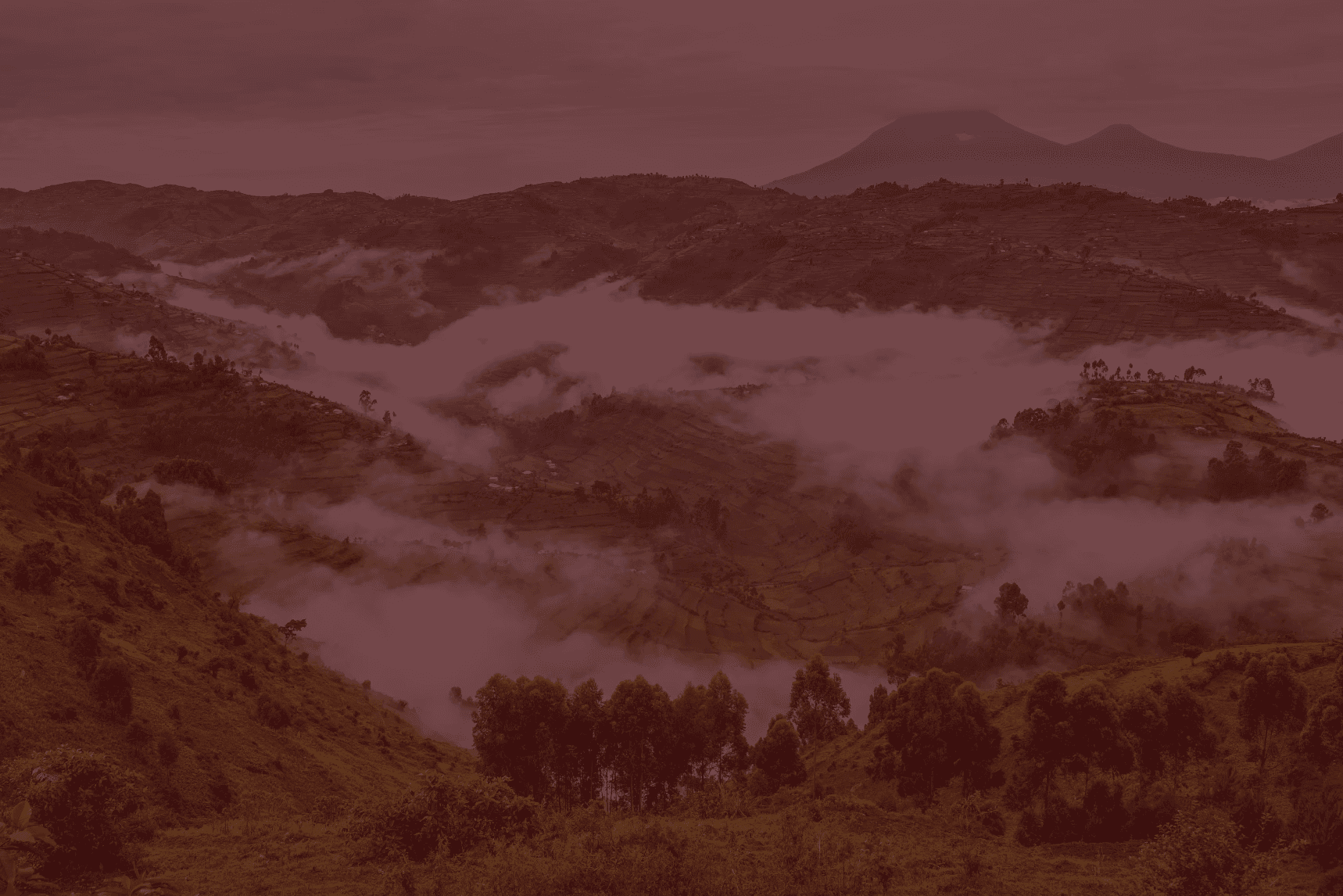
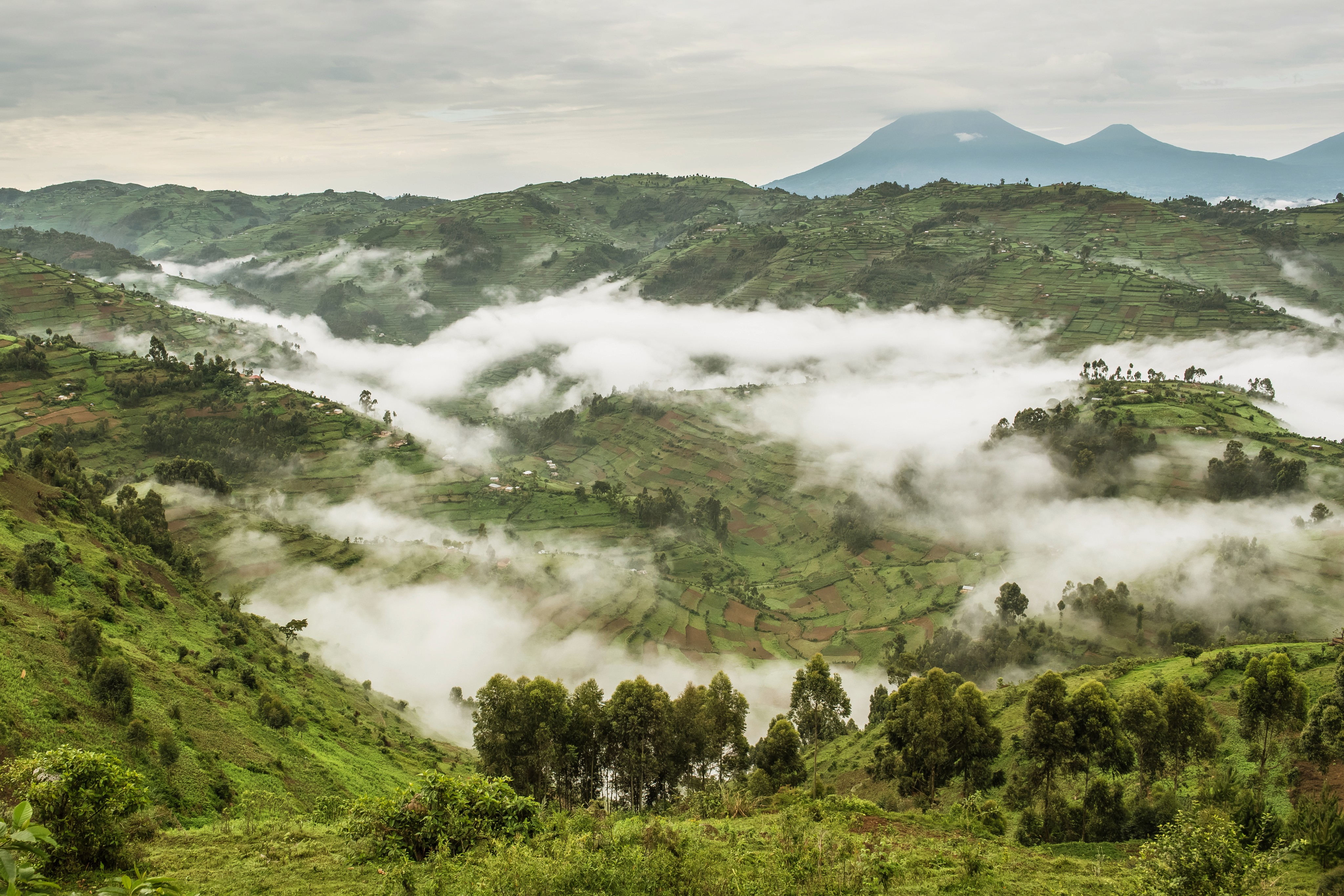
Signs of instability first show up in the land and the communities that live there. In Karamoja, only one in ten people finish secondary school. When land, work, and schooling all fail, people become exploitable. The signals are there all along, but no one is trained to read them.
Our graduates come from these regions. They return as the scientists who monitor them.

Lived Experience as Scientific Expertise
No one is better equipped to protect a region than the people who already call it home.
Local conservationists garner trust more effectively than outside experts. They understand environmental change not just as a theory, but as a lived experience. Combining that knowledge with rigorous scientific training, they can protect biodiversity while strengthening local ecosystems. Over time, this creates communities better equipped to preserve their homelands for generations.


Our para-conservationists are trained in:
National Collections
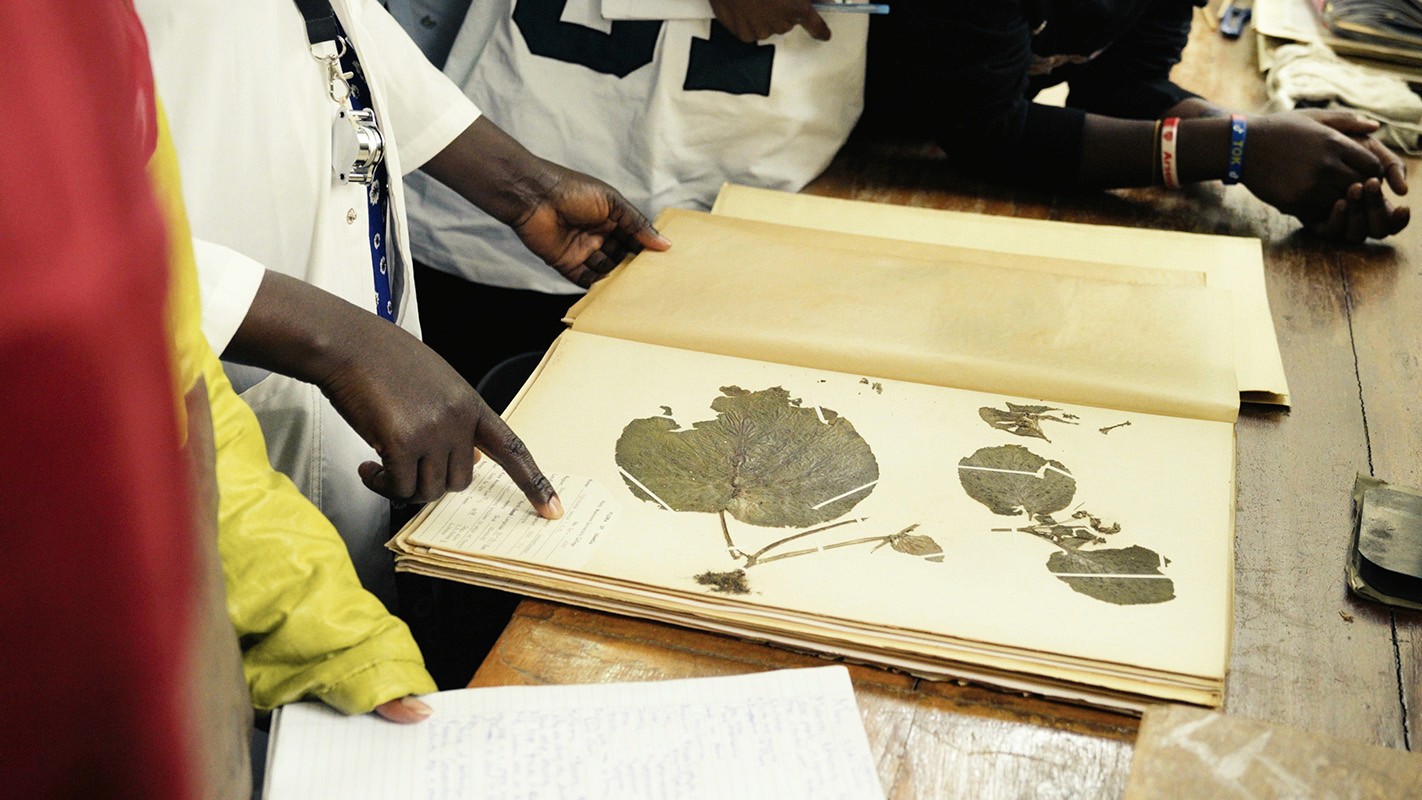
Specimen collection, preparation, preservation, cataloguing and digitization
Conservation Outreach
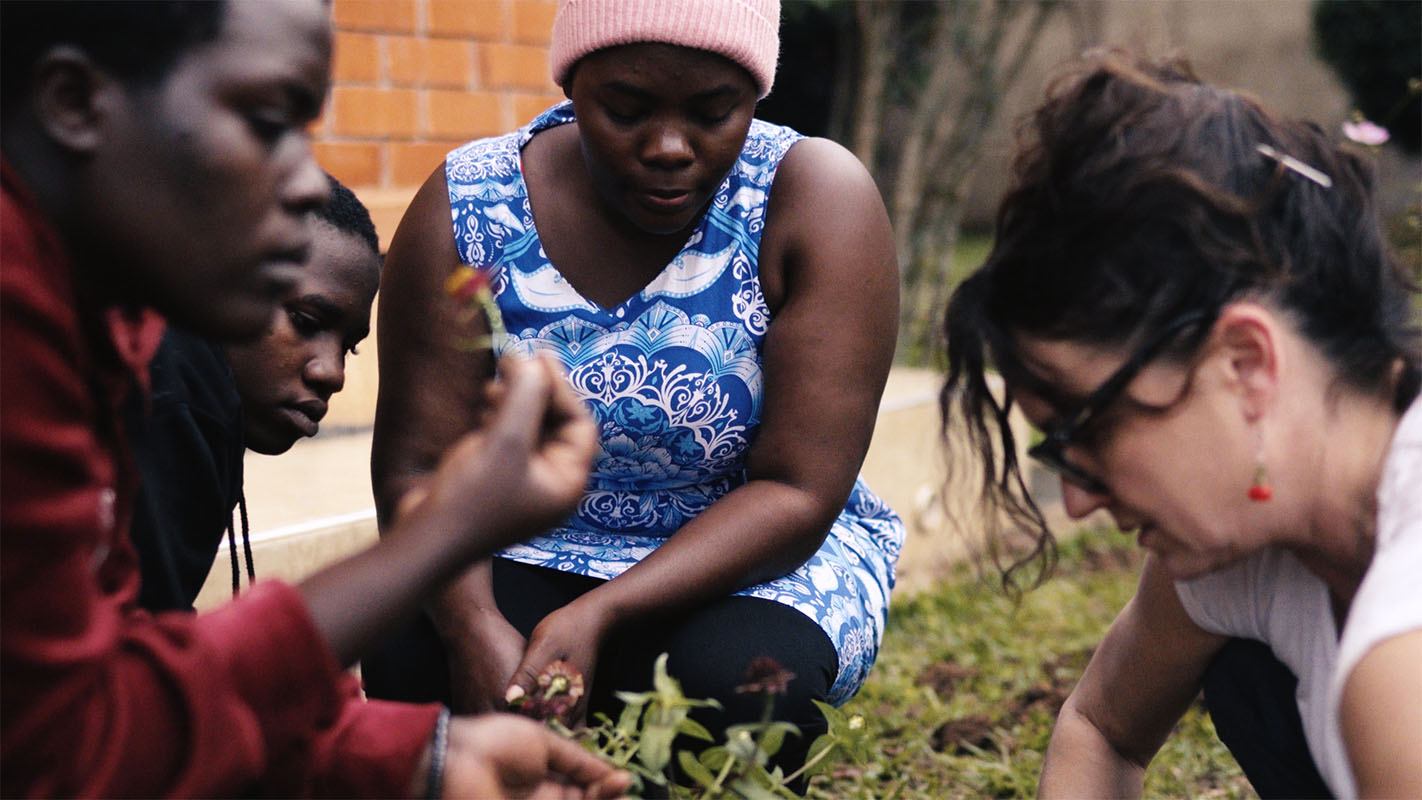
Freshwater sampling, pollinator surveys, wildlife ecotourism support, habitat assessments
Biodiversity Monitoring
Baseline assessment, long-term recovery tracking, restoration evaluation, management recommendations and progress reporting
Restoration Projects
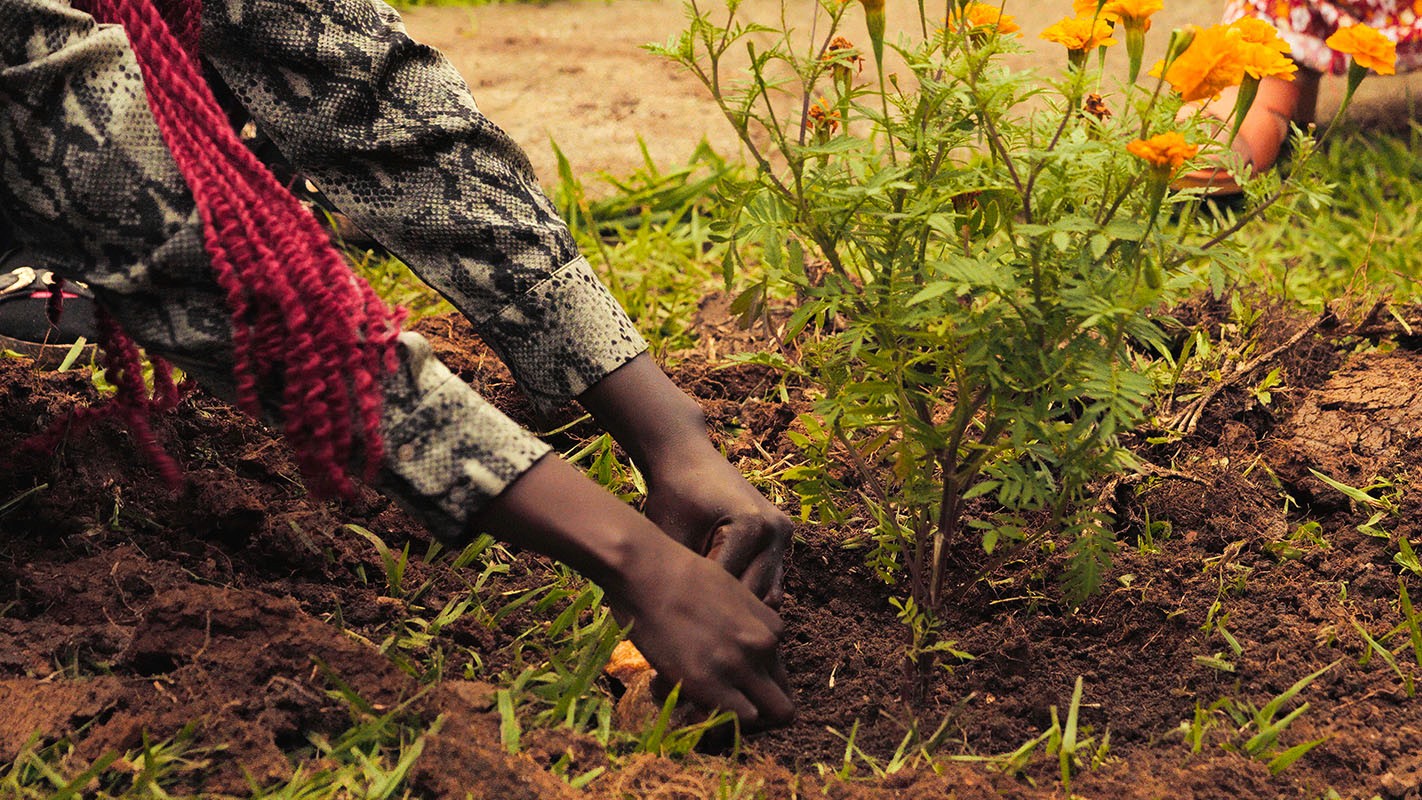
Field assistance, community engagement, conservation education, citizen science coordination and community knowledge exchange
Interested in hiring
trained para-conservationists?
Cohort One graduates in October, 2026
Testimonials
Meet one of our student pioneers
Meet our case manager Dr. Namugenyi
Measuring Impact
Conservation is hard to track, but Tula aims to change that.
Here’s where our program’s impact is seen:

Individual Level
A graduate returns home as a qualified para-conservationist, securing a job and a living.
Impact we can see:
Number of graduates
Job placements
Community Level
She brings her knowledge back to her community, expanding outreach and understanding.
Impact we can see:
Outreach sessions
People reached
Global Level
Her fieldwork is recorded in GBIF and iNaturalist. Some of what she collects has never been named. Each species described preserves millions of years of evolution.
Impact we can see:
Records
Species described
Specimens